Home and Goods Brands Are Facing a New Growth Challenge
The home and goods industry has become one of the most competitive spaces in modern commerce.
Consumer expectations have changed. Discovery behavior has fragmented. AI-generated search experiences are redefining how people research products online. Paid media costs continue climbing while marketplace competition intensifies across nearly every category.
For growing brands, visibility is becoming harder to maintain.
A few years ago, home brands could rely heavily on paid social campaigns or marketplace traffic to drive predictable growth. That model is becoming less efficient. Consumers now move across multiple channels before making a purchase decision, especially for products tied to lifestyle, comfort, design, and long-term value.
Someone furnishing a home office, redesigning a kitchen, or upgrading outdoor furniture rarely converts after seeing a single advertisement. They research, compare, and look for recommendations and validation from trusted sources.
This change is why full-funnel partnership marketing has become increasingly important for home and goods brands.
The strongest brands are no longer treating influencers, affiliates, and media as separate initiatives. They’re building coordinated partnership strategies designed to influence consumers throughout the entire customer lifecycle.
Why Partnership Marketing Works for Home and Goods Brands
Home purchases are naturally relationship driven.
Unlike impulse purchases, home and goods products often involve:
- Higher price points and emotional decision making
- Design preferences and product comparisons
- Trust and quality concerns
Consumers want confidence before they buy.
That confidence often comes from external validation rather than traditional advertising. An influencer showing how a modular storage system transformed a small apartment can be more persuasive than a polished ad campaign. An editorial review comparing the best air purifiers or quality mattresses may carry more authority than a product landing page. A loyalty offer or cashback incentive can become the final factor that drives conversion.
These touchpoints work together.
Modern partnership marketing allows brands to build visibility across discovery, research, validation, and purchase instead of relying on one isolated channel.
Influencer Partnerships Drive Awareness and Engagement
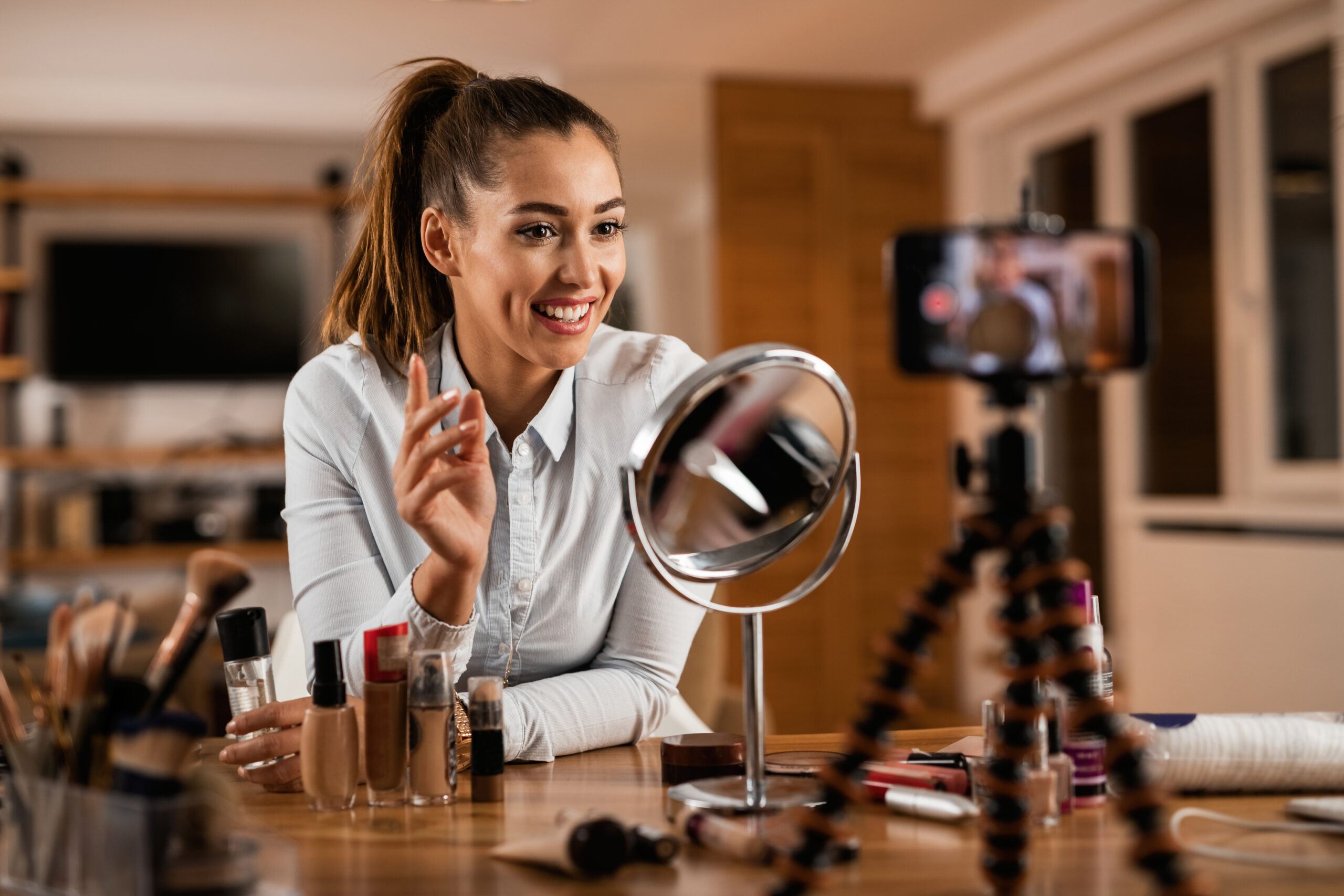
Influencer marketing continues to play a major role in the home category because these products naturally fit into visual and lifestyle-driven content.
Consumers actively seek out:
- Renovation content
- Seasonal décor ideas
- Productivity and work-from-home inspo
The strongest influencer partnerships are not purely transactional. They feel integrated into real routines and environments.
For example, a home office furniture brand partnering with productivity influencers may reach consumers actively upgrading their remote work setup. A cookware company collaborating with culinary creators can position products within practical, everyday usage instead of static promotional campaigns.
This type of content often performs well beyond the original partnership window. Influencer content frequently comes up in TikTok, YouTube, Reddit, and AI-generated recommendations long after publication.
That long-tail visibility is becoming increasingly valuable as AI-driven discovery reshapes consumer behavior online.
Affiliate Partnerships Capture High-Intent Consumers
While influencers help generate awareness and engagement, affiliate partnerships often convert consumers who are already researching products.
Home and goods purchases tend to involve extensive comparison shopping. Consumers look for pricing differences, reviews, promotional offers, and product rankings before making a decision.
Affiliate partnerships help brands stay visible during those high-intent moments.
This can include relationships with:
- Loyalty and cashback platforms
- Product comparison websites
- Coupon and deal publishers
- Shopping extensions
- Editorial commerce affiliates
These partnerships often improve conversion efficiency because they engage consumers already close to purchase.
For home brands, affiliate partnerships become particularly valuable during key seasonal shopping periods like Labor Day, Black Friday, Cyber Monday, and summer home refresh campaigns. Consumers entering these windows are actively looking for deals and researching products, making affiliate visibility highly effective for capturing demand.
Affiliate partnerships also provide scalability. Unlike traditional advertising, many affiliate relationships operate on performance-based models, allowing brands to expand visibility while maintaining tighter control over acquisition costs.
Media Partnerships Build Authority and Search Visibility
Media partnerships are becoming increasingly important as search behavior evolves.
Consumers searching for products like cookware or natural and organic products often encounter editorial rankings and review articles before they ever reach a brand website.
For home and goods brands, media partnerships help strengthen brand authority, product credibility, AI-search discoverability, and long-term referral traffic.
This matters because AI-generated search experiences increasingly pull information from trusted editorial sources. Brands appearing consistently across reputable outlets are more likely to surface in AI-generated answers and recommendation engines.
In some ways, media partnerships are becoming both a branding and discoverability strategy.
The Strongest Partner Strategies Connect Influencers, Affiliates, and Media
One of the biggest mistakes brands make is treating each partnership type independently.
Influencers are often managed separately from affiliate efforts. Media outreach operates in another silo. Reporting and attribution become fragmented, making it difficult to understand how channels support one another.
The strongest home and goods brands take a different approach. They connect influencers, affiliates, and media into a unified full-funnel strategy.
An influencer partnership may generate early product awareness. Editorial publishers reinforce trust and comparison visibility. Affiliate and loyalty partners help convert consumers once they are ready to buy. Together, these relationships create a connected ecosystem that supports the full customer journey.
This approach also creates stronger resilience as partnership marketing continues to evolve. Brands relying too heavily on one acquisition source often face volatility when algorithms shift, paid media costs rise, or platform behavior changes.
Diversified partnership ecosystems provide more stability.
AI Search Is Accelerating the Shift Toward Partnership Marketing
AI-generated search and conversational discovery are changing how consumers evaluate products online.
Instead of searching with short keywords, consumers increasingly ask detailed questions:
“What’s the best couch for small apartments?”
“What are good cookware brands for induction stoves?”
“What’s the best ergonomic chair for my office?”
AI-generated answers can pull information from influencer content, editorial reviews, affiliate publishers, forums, and trusted sources. That means partnership visibility now influences far more than direct referral traffic. It affects whether brands appear during modern product discovery at all.
As traditional click behavior changes, brands with strong influencer, affiliate, and media ecosystems will maintain stronger visibility across emerging AI-driven shopping environments.
How Perhaps Helps Home and Goods Brands Scale
Perhaps helps home and goods brands build coordinated partnership marketing strategies designed for modern commerce behavior.
That includes influencer partnerships, affiliate program development, media relationship strategy, performance optimization, attribution visibility, and AI-informed growth planning.
Rather than treating channels independently, Perhaps focuses on aligning partnerships across the full funnel to create stronger visibility, trust, and long-term revenue opportunities.
For growing brands, that approach creates more than short-term campaign performance; it builds scalable infrastructure.
The best partnerships for home and goods brands are no longer limited to one channel, platform, or type of partner.
Modern growth comes from coordinated ecosystems where influencers, affiliates, and media work together to influence discovery, validation, and conversion across the customer journey.
Full-funnel partnership strategies have become one of the strongest competitive advantages available to growing home and goods brands.